DS-864E: Public Comment Requested on an Affidavit of Support Exemption Form
The U.S. Department of State is proposing a new form, DS-864E, to replace the discontinued Form I-864W for requesting exemptions from the Affidavit of Support…

The U.S. Department of State is proposing a new form, DS-864E, to replace the discontinued Form I-864W for requesting exemptions from the Affidavit of Support…
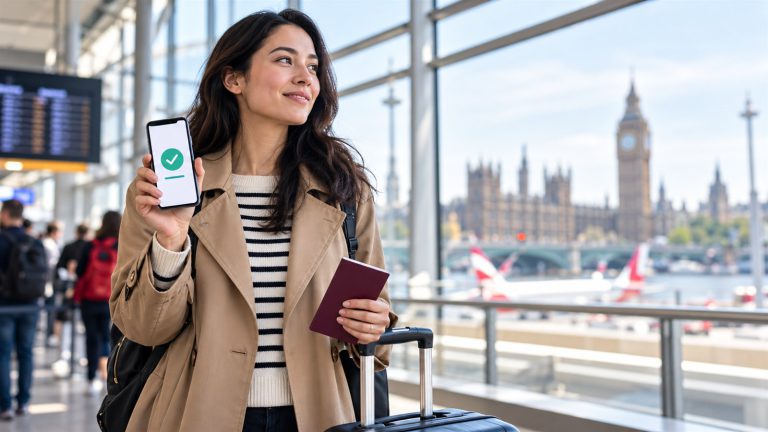
The UK’s Electronic Travel Authorisation is fully in force, and the fee increased from £16 to £20 in April 2026. Who needs an ETA, how long it lasts, and who still needs a visa instead.
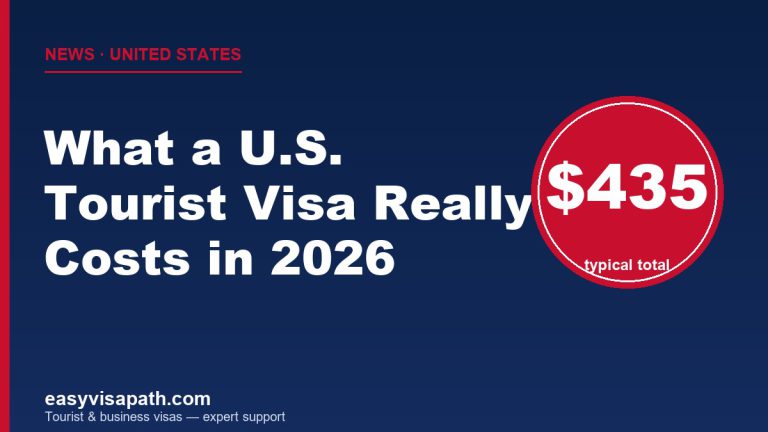
A B1/B2 visa is no longer just the $185 application fee. With the new $250 Visa Integrity Fee, the real 2026 cost is closer to $435. Here is the full breakdown — what you pay, when, and what may be refundable.
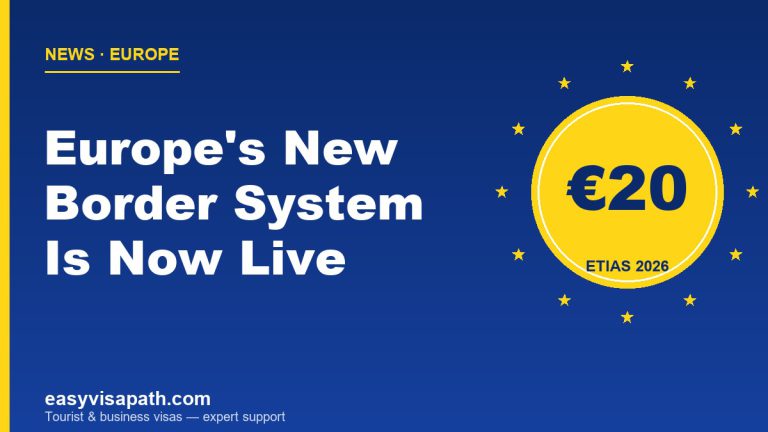
The EU’s Entry/Exit System is now fully operational across the Schengen area, and the €20 ETIAS travel authorisation is expected to follow — the EU targets late 2026, though it may slip to 2027. Here is what visa-free visitors, including Ukrainians with biometric passports, need to know.
U.S. B1/B2 applicants should now interview in their country of nationality or legal residence. What counts as residence, and why third countries backfire.
There is no official minimum bank balance for a U.S. B1/B2 visa. What public charge means, what officers weigh, and which financial evidence actually helps.

Interview waivers for B1/B2 renewals still exist but are far narrower. The 12-month window, the age exemptions that ended, and why qualifying is not a guarantee.
B1/B2 visa bonds apply by nationality, are set by the consular officer, and are paid only through Pay.gov after official instructions. How refunds and breaches work.
How to read the official B1/B2 waiting time for Brussels, why average wait and next available appointment differ, and how to get an earlier interview date.
The U.S. offers an optional $750 expedited interview for eligible B1/B2 visa applicants. Learn how the paid expedite works, who it helps, and its limits.