Что на самом деле решает исход собеседования на визу США — и почему это происходит так быстро
Заявители неделями собирают толстую папку к собеседованию на визу США — выписки из банка, письма, документы на имущество, подробные планы поездки. А у окна весь разговор заканчивается за минуту-две. Этот контраст удивляет многих, но он точно отражает суть консульского интервью: решение обычно принимается прямо во время собеседования, в первых вопросах и ответах — и потом его почти никогда не пересматривают.
Решение принимается во время интервью, а не после
Консульский офицер принимает за день много заявителей, и на каждого у него совсем немного времени. По закону большинство заявителей на гостевую визу изначально находятся под презумпцией иммиграционных намерений — это известная статья 214(b) иммиграционного закона США: офицер исходит из того, что вы можете захотеть остаться, и именно вам нужно показать, что вы вернётесь домой. Это суждение офицер формирует быстро — из разговора перед собой: ваша цель, ваши ответы, насколько они последовательны и убедительны. Как только вывод сделан, документы в папке редко изучают построчно.
Что упускают почти все
На практике многие решения по визам B1/B2 принимаются меньше чем за две минуты — по разговору, а не по папке с бумагами. Собеседование — это не проверка документов, а короткая оценка вашей убедительности.
Почему документы — не главное
Документы важны — но как поддержка, а не как решение. Они подтверждают ваши слова, и офицер может их запросить, если захочет проверить конкретный момент. Но решают они не за вас. Заявителя с идеальной папкой, но слабой и противоречивой историей могут не пропустить; заявителя с ясной и убедительной историей и скромным пакетом бумаг — одобрить. Бумаги подтверждают вашу ситуацию — а интервью её раскрывает.
Что офицер оценивает на самом деле
В первых вопросах офицер пытается считать несколько простых вещей:
В первую минуту офицер ищет:
Самая частая ошибка
Главное заблуждение — относиться к собеседованию как к проверке документов, будто достаточно предъявить нужные бумаги, и виза в кармане. Это не так. Типичные варианты этой ошибки:
- Полагаться на толстую папку вместо ясного уверенного ответа
- Длинные, заранее вызубренные объяснения, которые звучат заученно
- История, которая не совпадает с анкетой или меняется при уточняющем вопросе
- Размытая цель («просто туризм») без конкретного плана
- Попытка доказать слишком много и уход в сторону от простого вопроса
Как подготовиться к первым 60–90 секундам
Поскольку первые мгновения так важны, готовьте разговор, а не только папку:
- Умейте назвать цель поездки одной ясной фразой
- Знайте свой план так, чтобы отвечать без запинки
- Отвечайте коротко и правдиво; разворачивайте только если спросят
- Будьте готовы естественно объяснить свои связи с домом
- Возьмите документы аккуратно собранными — но не рассчитывайте их предъявлять
- Сохраняйте спокойствие: офицер оценивает убедительность, а не память
Главное
Собеседование на визу США — это короткий структурированный разговор об одном вопросе: убедительный ли вы гость, который вернётся домой? Офицер обычно отвечает на него в первую минуту — по тому, что и как вы говорите, а не по толщине папки. Подготовьте свою историю, держите её честной и последовательной, и пусть документы играют свою настоящую роль: тихую поддержку на фоне.
Источники и что почитать
Официальные ориентиры
Обратите внимание
Это общая информация, а не юридическая консультация. Консульские офицеры решают каждый случай индивидуально, а иммиграционные правила могут меняться. Всегда сверяйтесь с официальными источниками США и готовьтесь под свою конкретную ситуацию.
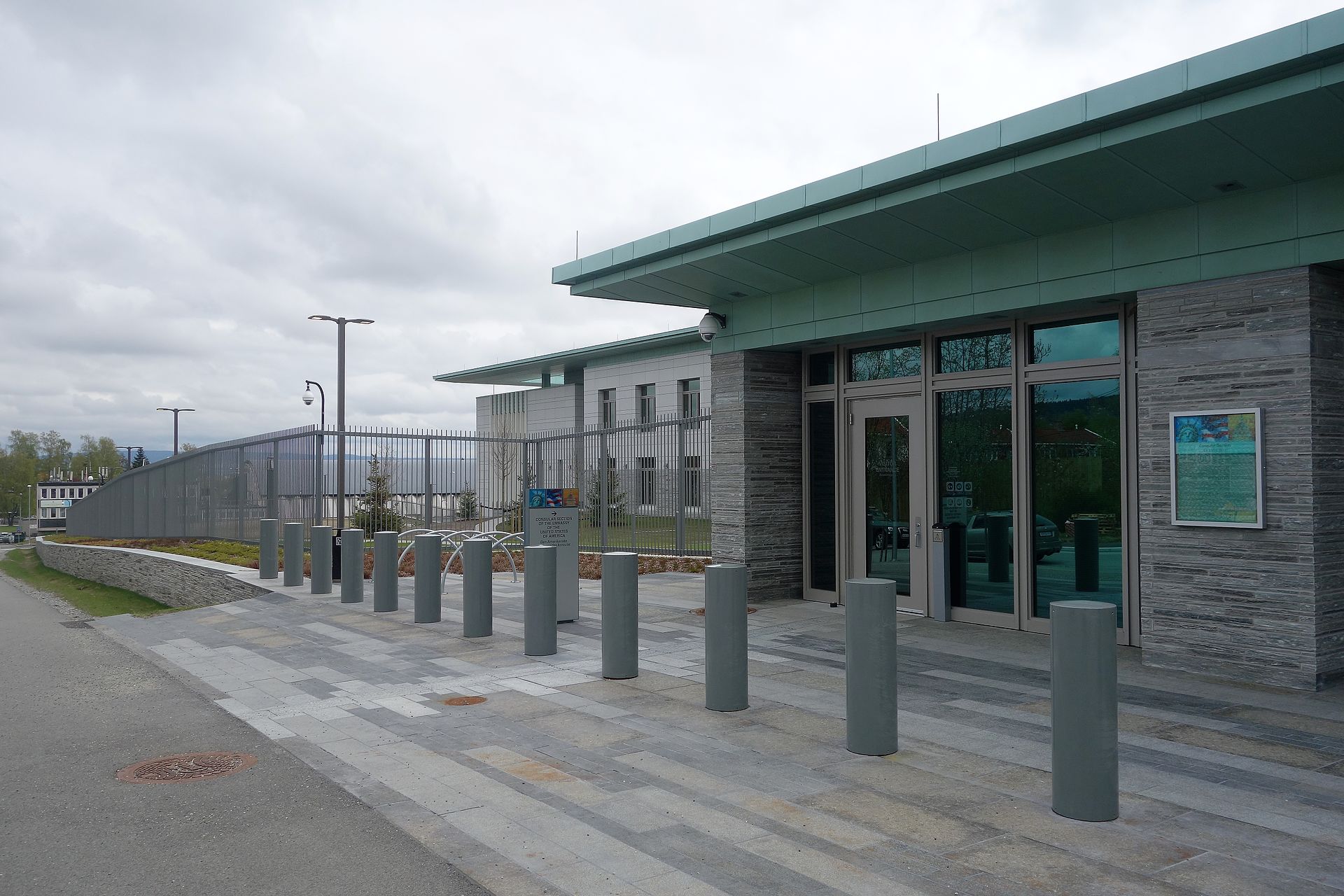
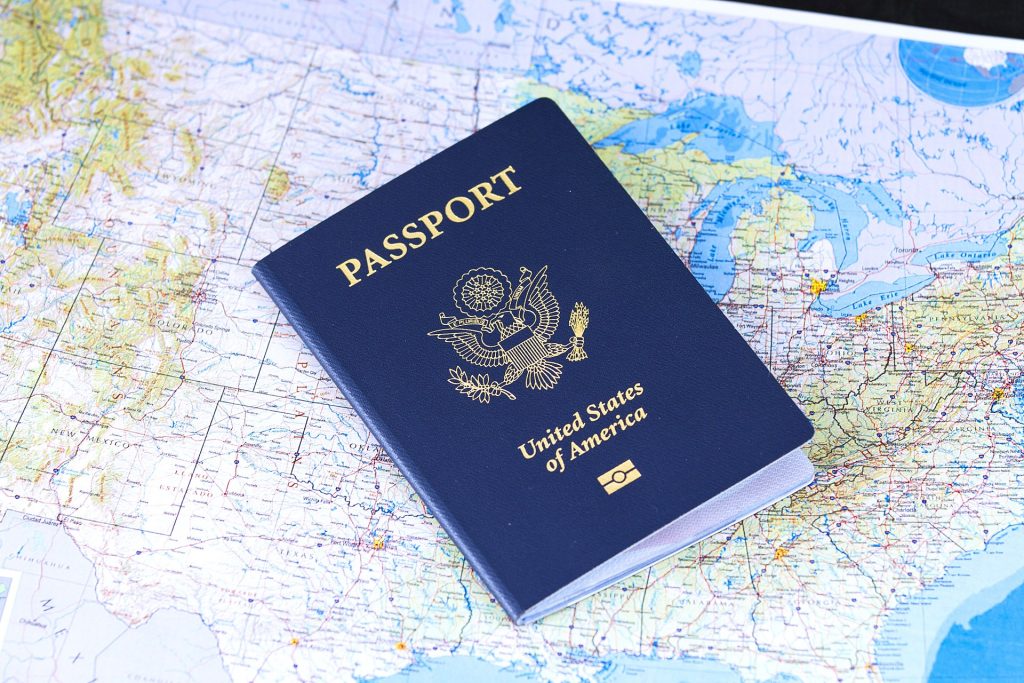
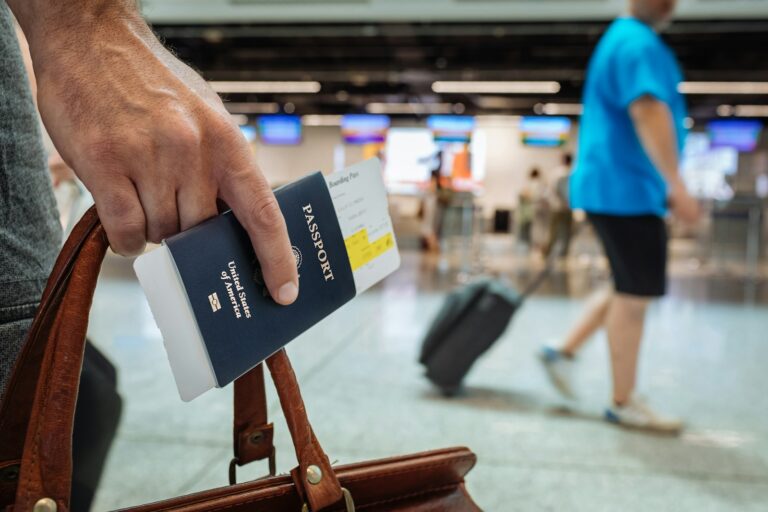
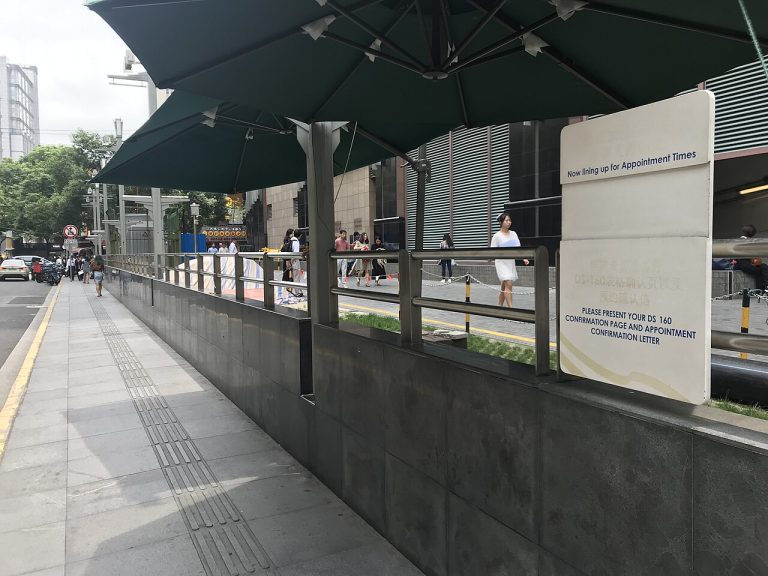
Фото: вход в консульский отдел посольства США — Ahz (CC BY-SA 4.0); страница визы США — Tony Webster (CC BY 2.0); паспорт США — Cytis (CC0). Через Wikimedia Commons.

One Comment