Barcelona, Andorra and Tarragona: an honest review of the trip, prices and car rental
This trip didn’t quite turn out the way it was meant to. On paper the route looked simple: fly into Barcelona, rent a car, drive to Andorra, then head toward Tarragona — a bit of sea, a bit of Spain, a bit of mountains. But right from the start it became clear the trip would be less about the views and more about prices, a strange car-rental experience, and one big question: is mainland Spain in summer really worth the money it asks for?
In this article
- The car-rental problem: Booking, Enterprise and Sixt
- The drive to Andorra
- Andorra: a tiny capital between mountains
- Cable car and mountain resorts
- Is Andorra worth it in summer?
- Evening in Tarragona
- Prices: expensive but underwhelming
- Compared to Thailand
- Compared to the Caribbean
- Who mainland Spain suits in summer
- The bottom line
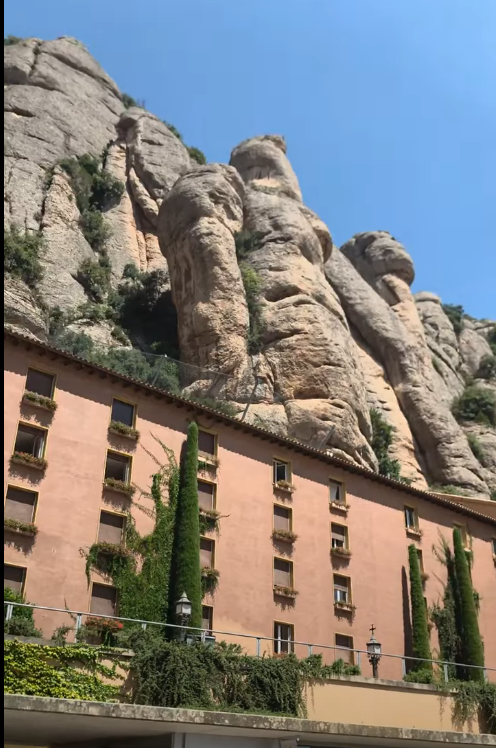
The car-rental problem: Booking, Enterprise and Sixt
The car was booked through Booking for a little over €100. At first glance everything looked fine: an ordinary rental through a big platform, the usual routine, no special risks.
But at the Enterprise desk they suddenly said the passport and driving licence had to be issued by the same country. Normally, renting in different countries, this is not an issue — yet here the car simply was not handed over.
The strangest part: the car was not released, and Booking refused to refund the money. As far as one can tell, Enterprise does not get paid until the rental is completed, because the money is transferred only after the car is returned. The result is absurd: Enterprise did not hand over the car, Booking did not want to refund, and the customer is left with no car and no real solution.
Booking offered to cancel the order — but without a refund. The point of such a cancellation is unclear: cancel just to formally accept the loss?
In the end the car was rented from Sixt. It came out much more expensive — around €350 for three days for a compact Smart. Pricey, but fast and free of extra bureaucracy: no questions about the documents, everything handled calmly.
Perhaps Enterprise had simply run out of cars and found a formal excuse to refuse. There is no explicit rule requiring the passport and licence to be from the same country. But the fact remains: the Booking + Enterprise combination gave a very unpleasant experience, while Sixt turned out to be an expensive but working option.
💡 Tip: if the passport is from one country and the driving licence from another, confirm in writing with the rental company in advance whether such documents are accepted — especially when booking through an aggregator like Booking, because getting a refund after a refusal at the desk can be difficult.
The drive to Andorra
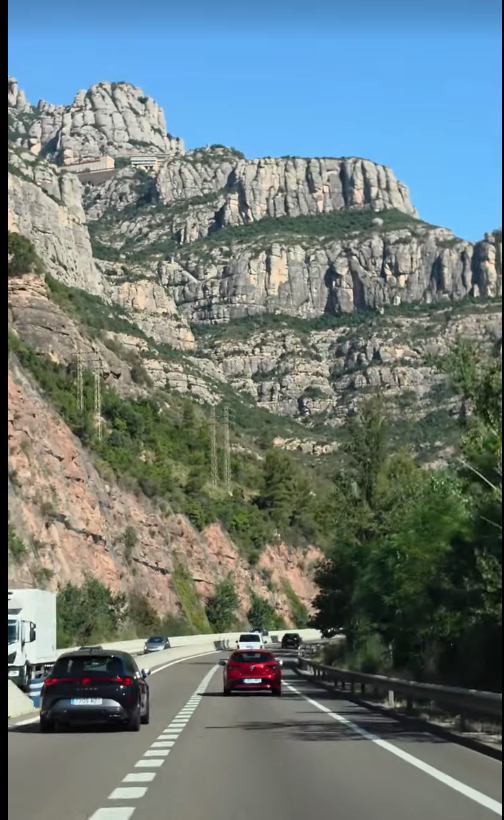
After the whole car saga, the road finally leads to Andorra. The drive from the Barcelona area takes about two and a half hours one way. Almost the entire route is mountains: switchbacks, more mountains, beautiful views, and the feeling of gradually leaving ordinary Spain for a small mountain country.
The road itself is beautiful, but it is worth knowing: doing it there and back in a single day is quite tiring — especially after rental trouble and without proper rest.
Andorra: a tiny capital between mountains
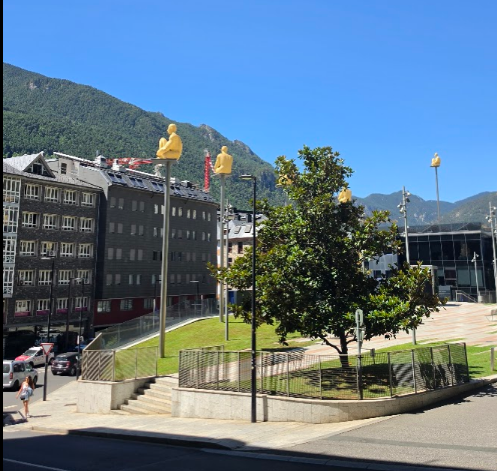
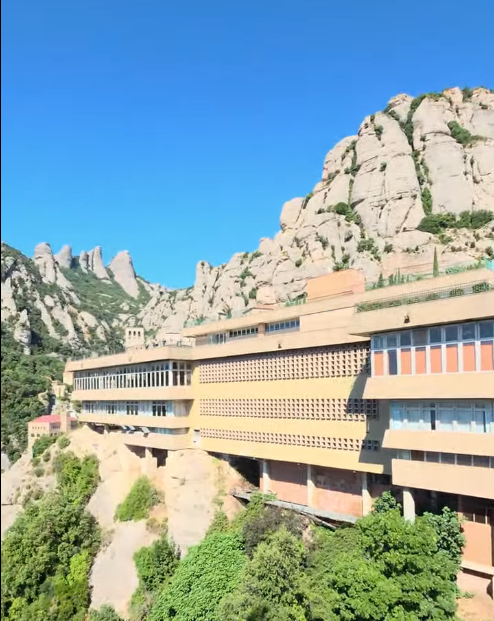
Andorra’s capital turns out to be very small. It sits right between the mountains, and you get the feeling the town is wrapped in peaks on every side. That is probably the strongest visual impression the country leaves.
In atmosphere Andorra strongly resembles Liechtenstein: a small country, mountains, calm, cleanliness, a sense of quiet and safety. But there are noticeably more cars here — plenty of traffic and road noise, and overall the country looks a little busier.
The atmosphere is still calm — quiet, peaceful, no chaos. But compared specifically to Liechtenstein, Andorra feels less empty and more car-centric.
Cable car and mountain resorts
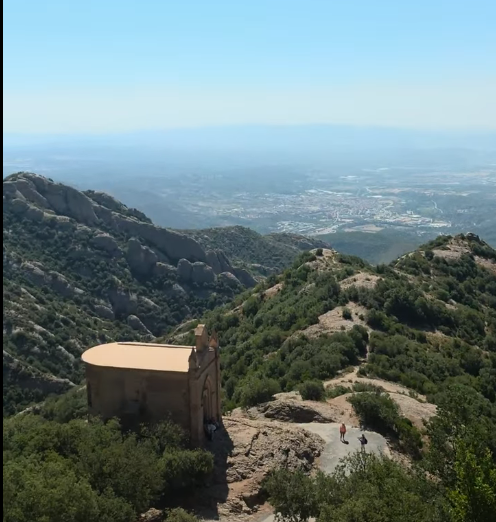
Besides the capital, Andorra has mountain resorts. Cable-car cabins take you to the top. Up there are plenty of tourist activities, especially for kids: various rides, entertainment, attractions and resort infrastructure.
The most expensive ticket is around €46. Overall it feels more like a family mountain zone: come with kids, go up, keep them busy, walk around, take in the views.
Driving a bit further around the area, you come across an ancient church and scenic views.
Is Andorra worth it in summer?
Honest conclusion: Andorra is beautiful in summer, but there is not much to do unless you go specifically for the mountains or a resort.
See the capital, ride the cable car, take in the mountains, drive the scenic road — yes. But as a separate full-day summer trip from Barcelona or Tarragona it is debatable: the drive is about two and a half hours each way, and the main impression still comes down to mountains.
Andorra probably shines more in winter, as a ski destination. In summer it is more of a “see it once, tick the box, drive a beautiful road and move on” format.
Evening in Tarragona
After Andorra the road leads toward Tarragona — to check into the hotel and finally get some proper rest. It makes for a hard day: first the scramble with the car, then the drive to Andorra, the mountains, the cable car, the drive back and the evening transfer.
By this point the main feeling of the trip has already formed: high costs, and a payoff that does not always match the price.
Prices: Spain was expensive but underwhelming
The most unpleasant impression of the trip is the ratio between price and what you actually get.
The car ends up costing about €350 for a few days. The hotel runs around €100 a night. And this is not all-inclusive, not a resort format, not some special level of service, and not a feeling of luxury.
Yes, Barcelona and the coast are popular destinations. Yes, it is Europe. Yes, a short flight. But once you start counting costs on the ground, the question arises: what exactly are you paying this much money for?
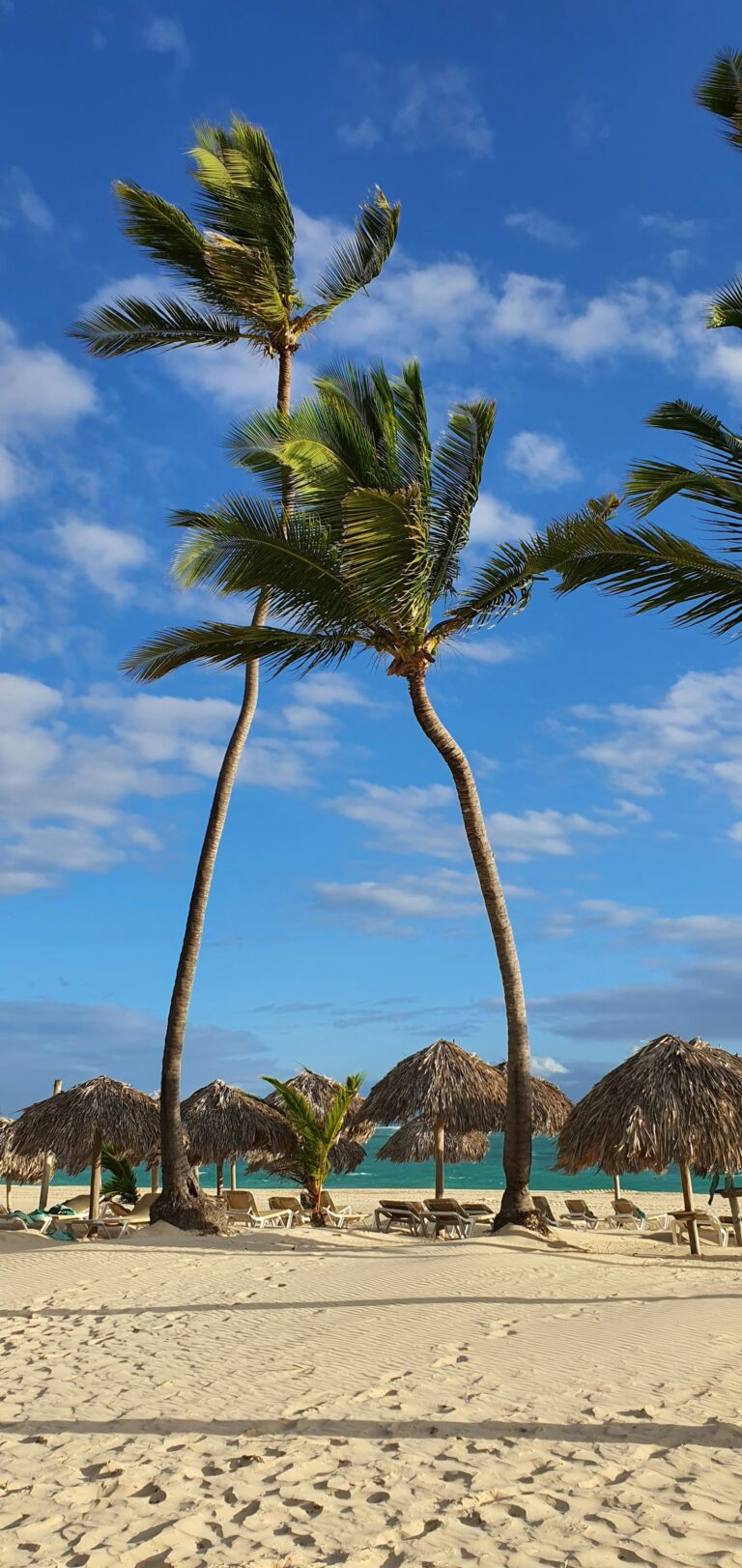
In places everything already looks old and tired, and the infrastructure is not always pleasing. The sea does not impress so far — it does not look beautiful or interesting enough to justify these costs. In the end it feels like paying for a full resort holiday but actually getting an ordinary hotel, an expensive car and a fairly average picture.
Compared to Thailand
This is felt especially strongly compared with Thailand.
In Pattaya an apartment runs about €40 a day: two rooms, a five-storey building, a rooftop pool open until 23:00. In Phuket it is also around €30–40 a day — for two or even three people.
Against that backdrop, Spain looks odd: a hotel near €100 a day, an expensive car — and no sense of a special holiday.
Even on flights the difference is not as big as it seems. A round-trip Cologne–Barcelona ticket was about €150. To Thailand from London you could find one for around €450 round trip — a difference of about €300. But then in Thailand, for similar or smaller daily costs, you get much more: apartments, a pool, atmosphere, food, service, the sea and the feeling of a real holiday.
The contrast is interesting: Spain is closer and the flight is cheaper, but on the ground everything quickly gets expensive. Thailand is farther and the ticket costs more, but on value for money it can give far more.
Compared to the Caribbean and the Dominican Republic
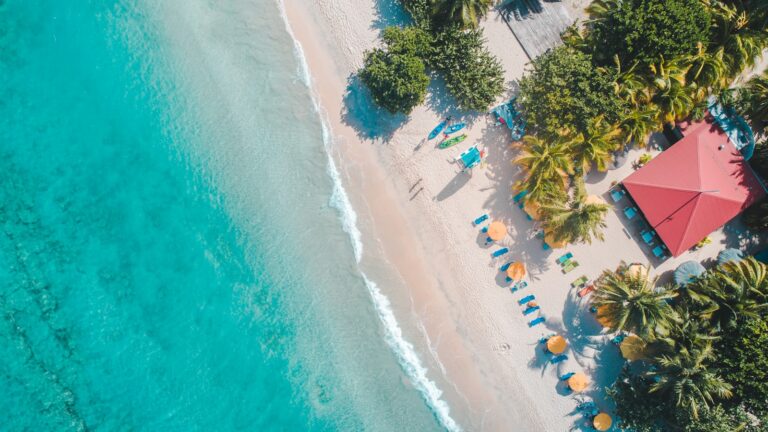
A similar feeling comes up compared with the Caribbean or the Dominican Republic. There, for a comparable budget, you can consider a few-day all-inclusive holiday: sea, food, hotel, resort atmosphere, a clear format.
Here everything is paid for separately: the flight, the hotel, the car, food, parking, activities. And at some point the thought arises: if the final sum is high anyway, maybe it makes more sense to fly somewhere that gives a complete resort product for that money?
Who mainland Spain suits in summer
It feels like mainland Spain in summer is a destination more about convenience than about the best value for money.
It suits people who do not want a long flight, are wary of long-haul travel, or want the simplest possible holiday: a package, a hotel, a beach, a restaurant — everything clear and close by. For that format Spain really is convenient.
But for those who can travel independently, speak at least a little English, book their own tickets and accommodation, rent transport and figure things out on the spot, the point of such a trip becomes questionable. For similar money you can get much more in Asia, the Caribbean or other destinations.
The Spanish islands may be more interesting — Tenerife, Mallorca, Palma and other places where nature is stronger and more striking. But mainland Spain in summer still feels like a fairly expensive compromise.
The bottom line
Andorra is memorable as a small mountain country: calm, beautiful, similar to Liechtenstein, a capital between the mountains, cable cars, resorts, scenic roads. But in summer it is more of a one-time visit than a place to deliberately return to for a holiday.
Spain leaves a mixed impression on this trip. On one hand — close, convenient, familiar Europe. On the other — expensive, tired in places, without a strong feeling that the holiday is worth the money spent.
The main takeaway: a nearby destination is not always cheaper, and expensive Europe does not always give more. Sometimes it is better to pay extra for a long-haul flight — but get more quality, service, nature and the feeling of a real holiday.