The UK ETA Is Now Mandatory — and the Fee Just Rose to £20
The UK’s Electronic Travel Authorisation is fully in force, and the fee increased from £16 to £20 in April 2026. Who needs an ETA, how long it lasts, and who still needs a visa instead.

The UK’s Electronic Travel Authorisation is fully in force, and the fee increased from £16 to £20 in April 2026. Who needs an ETA, how long it lasts, and who still needs a visa instead.

A B1/B2 visa is no longer just the $185 application fee. With the new $250 Visa Integrity Fee, the real 2026 cost is closer to $435. Here is the full breakdown — what you pay, when, and what may be refundable.

The EU’s Entry/Exit System is now fully operational across the Schengen area, and the €20 ETIAS travel authorisation is expected to follow — the EU targets late 2026, though it may slip to 2027. Here is what visa-free visitors, including Ukrainians with biometric passports, need to know.

B1/B2 visa bonds apply by nationality, are set by the consular officer, and are paid only through Pay.gov after official instructions. How refunds and breaches work.
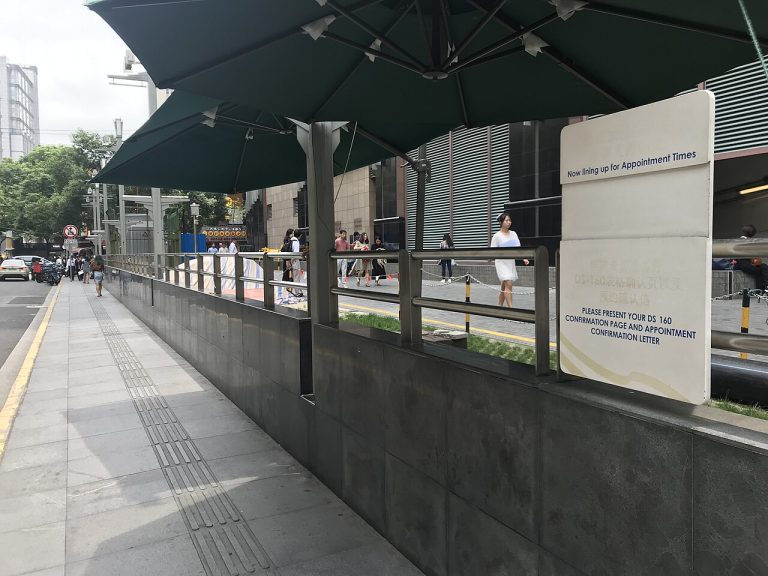
How to read the official B1/B2 waiting time for Brussels, why average wait and next available appointment differ, and how to get an earlier interview date.
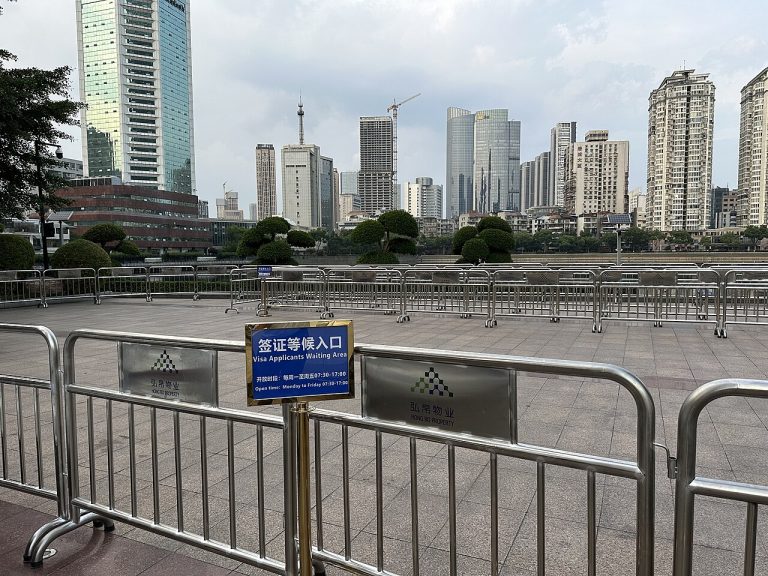
The U.S. offers an optional $750 expedited interview for eligible B1/B2 visa applicants. Learn how the paid expedite works, who it helps, and its limits.
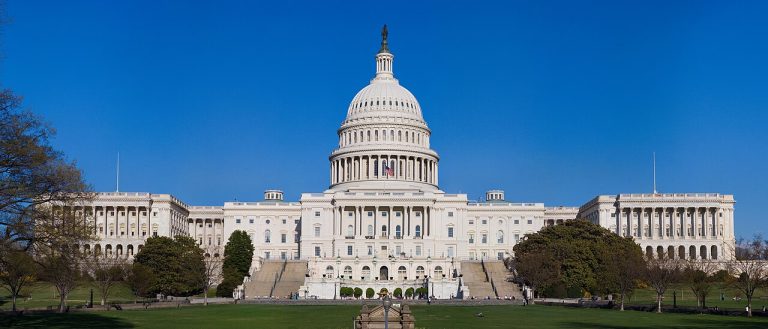
The Visa Integrity Fee exists in U.S. law, but law and collection are different things. What is settled, what needs implementation, and what you actually pay today.

Many applicants build a thick folder of documents, then watch the U.S. visa interview end in a minute. Here is what actually decides the outcome — and why it happens in the first moments of the conversation.
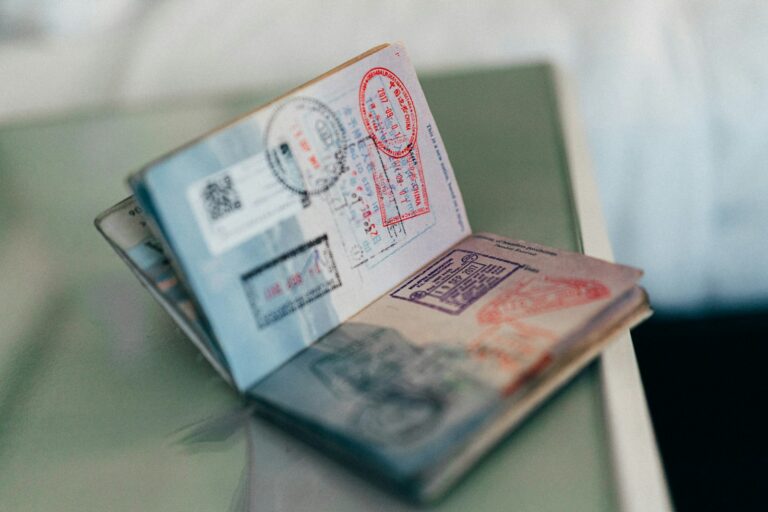
A U.S. visa can be more than permission to visit America. In some Caribbean and nearby destinations, it can help travellers avoid separate visa applications and build more flexible routes.

India’s e-Visa system can be convenient, but applicants should pay attention to timing, passport scan quality, photo rules, and the exact purpose of travel.